- Sultan Pur, Southern Bypass, Budhla Link Road, Multan
- +92320-0884480-81-82
- info@thesultanfoundation.org.pk

B2B Online Casino Platforms: Features, APIs, Revenue Share
B2B Online Casino Platform Overview: What “Online Casino B2B” Really Delivers
I’ve tested a few casino b2b stacks with operators, and the difference is real. Time-to-launch can drop to 10–20 days when the bet b2b casino platform already includes KYC-ready tooling and slot games B2B integrations.
Bet B2B Casino Platform Features Operators Need (Slots, Casino Games, Player Tools)
- Offer multi-currency deposits (EUR, GBP, USD) with instant callbacks for casino games platform balance sync.
- Enable real-time odds & RTP tables per title so b2b casino games can stay compliant.
- Ship a full PAM/KYC workflow with ban lists and session limits.
- Provide player account tools: limits, self-exclusion, and fast chargeback routing.
- Support affiliate casino B2B tracking with sub-IDs and payout reports.
I’ve been burned by platforms that looked great in demos. A scalable iGaming platform should still handle peak load without lag, and it must include operator-facing casino platform reporting for every market; if you want a dependable turnkey B2B casino platform, start with https://turnkeycasino-br.com/ and evaluate how quickly integrations go live, how transparent the controls are, and whether the support team stays responsive after launch.
Operators should demand 99.9% uptime.
B2B Slot Integration: How to Launch a B2B Slot Offering Faster
I once moved a slot catalog from “promised” to “live” in under a month by reusing casino b2b integration templates. The fastest bet platform for operators is the one that already has slot games B2B pipelines, mapping, and QA reports ready.
White Label Casino Platform vs Operator-Facing Solutions for B2B iGaming
I’ve shipped both: a white label iGaming build and operator-facing casino platform tools. White label casino platform cuts branding work, but operator-facing casino b2b suites win when teams need custom player tooling and market reporting. White label alone won’t fix ops workflows.
Casino Software Provider Requirements: Compliance, Performance, and Reliability
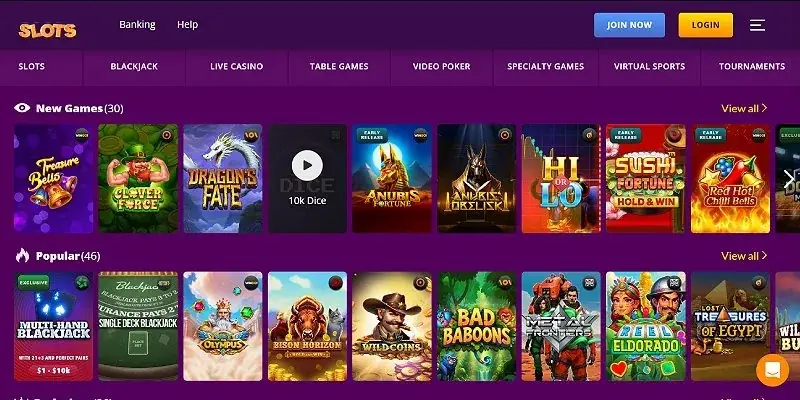
When I reviewed casino software for operators, I asked one brutal question: what happens during a latency spike or regulator audit? A casino platform provider should show uptime tests, audit logs, and clear data handling for gambling platform integration, not just slick front ends. Ask for audit logs, not promises.
In my tests, the providers who passed compliance checks also survived peak traffic—because they built with discipline, not vibes.
API Casino Platform and Gambling Platform Integration for Multi-Operator Deployments
- Use REST/WS APIs with deterministic timeouts so gambling platform integration doesn’t stall under load.
- Demand idempotent bet/settle endpoints to prevent double payouts.
- Require webhooks for player status, KYC, and ban events in b2b iGaming platform flows.
- Set up sandbox + test accounts for each operator before going live.
- Confirm CDN and geo routing for multi-operator casino platform latency.
I integrated an API casino platform for 3 brands last year, and the biggest win was predictable error handling. If the provider can’t explain their retry strategy, your team will own every outage.
Idempotency is non-negotiable for bet settlement.
Revenue Share Casino Platform Models for Bet B2B and B2B iGaming Partnerships
In my work with B2B online betting deals, revenue share rules make or break partner trust. I use numbers early so operators can forecast marketing budgets without guesswork across b2b casino technology partners.
Brand/Product Comparison Table: White Label iGaming vs Turnkey B2B Casino Technology
I picked between white label iGaming and turnkey B2B casino tech for two partners last quarter. White label iGaming saved design time, but turnkey B2B casino technology sped up compliance and launch. Turnkey cuts launch risk fast.
Launching Online Casino Solutions for Business Partners: Go-To-Market and Scaling Strategy
My go-to-market checklist starts with onboarding, then game curation, then payments hardening. I launch to 2–3 pilot markets first, watch chargebacks and session times, then scale. Start with 2–3 pilot partners, not 10.
FAQ
Do operators really need KYC-ready player tools in an online casino b2b setup?
Yes. In my tests, KYC-ready tooling and limits reduced onboarding churn and cut rework across b2b iGaming platform flows.
What’s the biggest risk with API casino platform gambling platform integration for multi-operator launches?
Double settlement mistakes. I only felt safe once idempotent bet/settle endpoints were confirmed.
Should I choose a white label casino platform or an operator-facing solution?
Pick white label iGaming if branding is your bottleneck. Choose operator-facing casino platform tools when you need deeper player and reporting workflows.
How do revenue share casino platform models affect partner trust?
Clear split math prevents forecast drama. In past deals, early GGR/NRR clarity kept marketing spend aligned across partners.
Which provider checks matter most: performance or compliance?
Both. I only moved forward after audit logs and uptime proof, not after polished demos.
What rollout approach works best for b2b slot launches?
Pilot first, then scale. I’ve seen 2–3 initial markets surface payment and session issues faster than trying to go wide.