- Sultan Pur, Southern Bypass, Budhla Link Road, Multan
- +92320-0884480-81-82
- info@thesultanfoundation.org.pk

Debunking common gambling myths What you really need to know
Debunking common gambling myths What you really need to know
Understanding Gambling Odds
A common misconception about gambling is that players can easily predict outcomes based on patterns or past results. Many individuals believe that if a number hasn’t appeared in a while, it is “due” to show up. This belief, often referred to as the gambler’s fallacy, overlooks the fundamental principle that each spin, roll, or deal is an independent event. The odds remain the same regardless of previous outcomes, which means relying on past results to inform future bets can lead to significant losses. Additionally, players often explore various options at their disposal, including the bitcoin casino, to enhance their experiences.
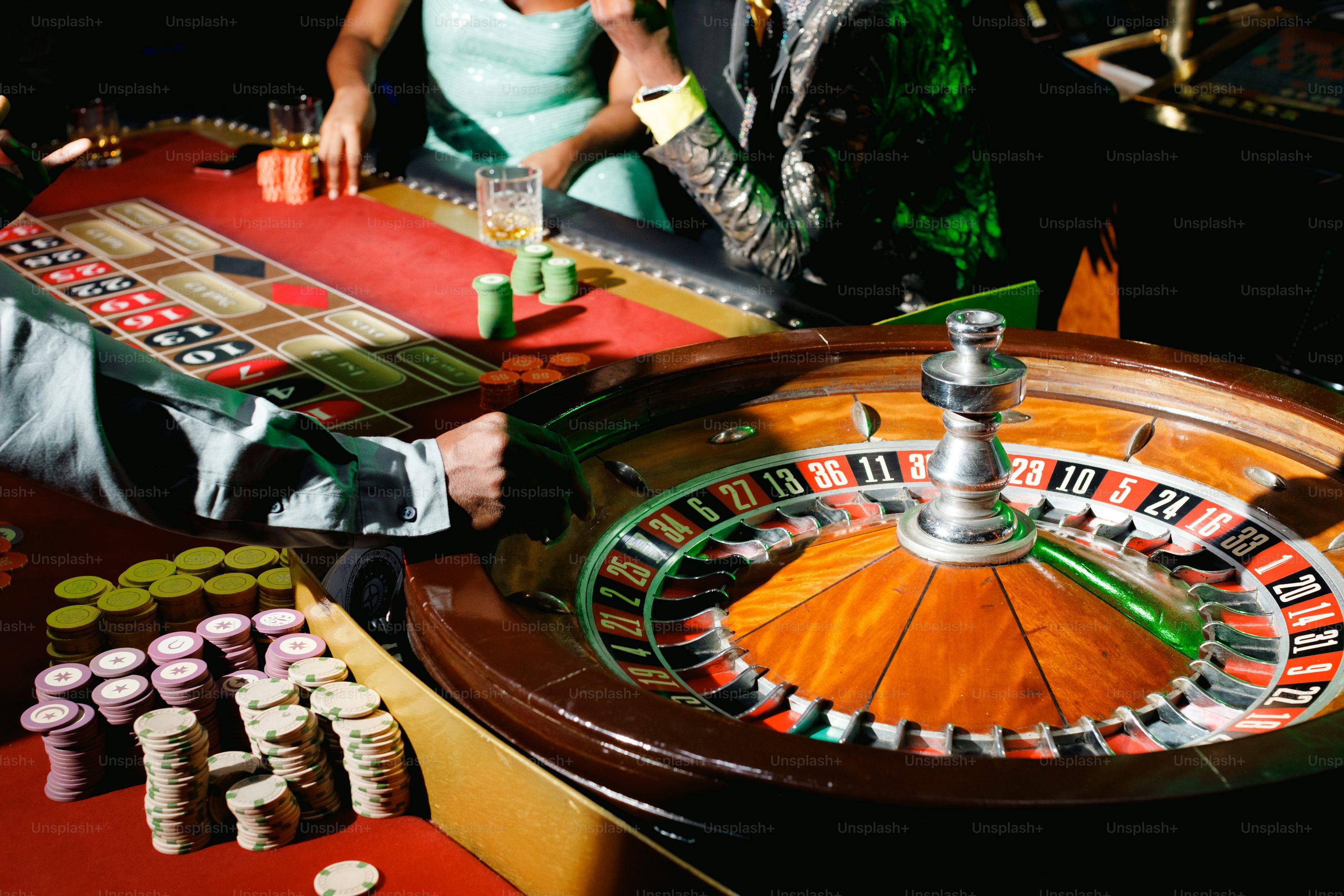
Moreover, understanding the odds can empower players to make informed decisions. Whether it’s slot machines, blackjack, or poker, knowing the house edge can help you understand the likelihood of winning. Recognizing that casinos operate on a business model that ensures they have the upper hand is crucial for anyone looking to engage in gambling responsibly.
The Myth of “Hot” and “Cold” Streaks
Another prevalent myth is the idea of “hot” and “cold” machines or tables. Many gamblers swear by their luck with certain slot machines or roulette tables, believing that some are more likely to pay out than others. However, this is a misconception rooted in randomness. The odds do not change based on previous outcomes, and thus, the idea of streaks has no basis in statistical reality.
Casinos design their games to ensure fairness and randomness. Each spin of a slot machine or hand of cards is determined by random number generators. This means that every player has the same chance of winning, regardless of how many times they have played a specific machine or table. Understanding this can help gamblers avoid the pitfalls of superstitious thinking.
The Role of Skill in Gambling
Many people believe that gambling is purely a game of chance, while others argue that skill plays a significant role. In games like poker or blackjack, skill can influence outcomes, making strategic play essential for success. However, this does not apply to all forms of gambling. For example, in games like roulette or slots, players have little to no control over the outcome.
It’s essential for gamblers to recognize which games require skill and which are purely luck-based. By focusing on skill-based games, players can improve their chances of winning through practice and strategy. However, it’s also vital to approach these games with a clear understanding of the odds and the house edge to maintain responsible gambling habits.
Chasing Losses: A Dangerous Game
A common behavior among gamblers is the urge to chase losses, believing that they can recover their money by continuing to play. This mindset can lead to severe financial distress and is one of the leading causes of gambling addiction. The truth is that doubling down on losses often results in even greater losses, creating a vicious cycle that is hard to escape.
Understanding the risks associated with chasing losses is crucial for anyone involved in gambling. Setting limits and sticking to a budget can help mitigate the potential for financial ruin. Responsible gambling involves recognizing when to walk away and understanding that losses are part of the game. A balanced approach can lead to a healthier relationship with gambling.

Stay Informed with Colbert News Hub
Colbert News Hub is your trusted source for the latest news and insights in the world of entertainment and beyond. Our mission is to provide readers with engaging content that enhances their understanding of current events and trends. As you navigate the complexities of topics like gambling, staying informed is essential.
Join us at Colbert News Hub to explore a wide range of articles that delve into pressing issues, provide analysis, and offer entertaining insights. We are committed to delivering the knowledge you need to make informed decisions in your life, whether it’s about gambling or other areas of interest. Stay connected with us for a comprehensive reading experience.