- Sultan Pur, Southern Bypass, Budhla Link Road, Multan
- +92320-0884480-81-82
- info@thesultanfoundation.org.pk

The Rich Royal Casino Menu Logic Analyzed by Australia UX Enthusiast
.png)
Hello, local players and anyone else who obsesses over digital design. We’re analyzing Rich Royal Casino’s user interface, subjecting its main menu under the microscope. For any casino, this menu is the control panel. It’s your map through a whole world of pokies, table games, and bonus offers. A confusing one will have you logging off in minutes. A solid one feels like a warm welcome to play. I’ve navigated Rich Royal’s site for ages, breaking down how its menu is built, how it flows, and how well it works for someone accessing the site from Brisbane or Melbourne. Let’s figure out the strategy behind the design and check if it delivers for Australian punters.
Main Navigation Framework: A Hierarchical Deep Dive
Go beyond the gloss and you find a solid navigation skeleton. The top-level categories are broad, sensible indicators for everything on the site. You’ll always locate ‘Casino’, ‘Live Casino’, ‘Promotions’, and ‘Support’. Having the live dealer games separate from the standard casino is a smart move. The menu hierarchy is pleasingly shallow. You can get almost anywhere in two clicks, a core rule of thumb in UX that Rich Royal follows. They don’t flood you with a dozen top-level options, which only leads to indecision. Instead, they organize related items under these main headings. This structure indicates they’ve considered what players are trying to do, sorting games by purpose instead of some backend logic.
Mobile Menu Optimization: Thumb-Optimized Layout
Given that most Australians game on their phones, the mobile menu can be the deciding factor. Here, Rich Royal Casino transitions to a compact hamburger menu that reveals a full-screen panel. The emphasis changes. Controls are larger, there’s more space between them, and you may notice shortcut icons for popular sections along the bottom for one-handed use. The logic shifts from a wide desktop bar to a vertical list you can scroll with your thumb. This adaptive layout means the full range of options is still accessible without feeling squashed. It functions seamlessly on the train as it does on the couch.
Account & Banking: Addressing Practical Needs
Account and banking pages aren’t flashy, but they represent where a site’s usability faces its toughest challenge. Rich Royal Casino usually groups these within a profile icon or a clear ‘Cashier’ label. This is common practice, and that is good. You do not have to master a new pattern for fundamental tasks. Inside, options appear in a logical order: Deposit, Withdrawal, Transaction History. For Australian users, the clever aspect is seeing local payment methods like POLi, Neosurf, or bank transfers immediately. This indicates the menu is built for its audience. It presents the most useful tools first and makes moving money in and out a simple process.
The Grand Entry: First Reactions of the Dashboard
Sign in to Rich Royal Casino and the dashboard offers organised energy. The main menu is prominently placed, usually as a horizontal bar up top or a neat sidebar, invariably easy to tap on a phone. The colours—deep purples and golds—exude luxury but ensure readability. Important buttons for ‘Deposit’ or ‘Login’ catch the eye, which is just good sense. My first thought was that it seems well-directed. The design doesn’t clutter the screen. It subtly guides your eyes toward where you need to go. This smart layout means you won’t be confused. An Australian player can orient themselves quickly, whether they’re after a quick spin or exploring a new bonus that takes AUD.
The Live Casino Hub: A Seamless Switch
Assigning ‘Live Casino’ its own main menu tab is a smart bit of UX. It immediately tells you you’re in for a unique experience: real-time, streamed, with actual people dealing. Tapping it takes you to a specific lobby that often feels like a real casino floor. Games are sorted by type—Live Blackjack, Live Roulette—and then by table limits or specific versions like ‘Lightning Roulette’. This specialized setup recognizes the live dealer player. That person might need a certain betting range or a particular game style. Moving from the digital slots to this immersive live lobby feels natural, showing the designers understand that players use the site in different modes.
Game Exploration & Sorting Logic
Here is where the menu gets clever. The ‘Casino’ section is not a single overwhelming list of 3000+ games. It’s a sorted library with several ways to browse.
By Type and Player Purpose
You expect to see ‘Slots’, ‘Table Games’, and ‘Jackpots’. But the more compelling groups are based on what you could be after. Lists like ‘New Games’, ‘Popular’, or ‘Buy Bonus’ are changing. They change based on current trends or even what you’ve played before. Looking at it from Australia, this is player-focused thinking. It understands that someone may want to test the latest release, join a crowd favourite, or track down those high-stakes bonus-buy slots some gamblers love.
Provider Filtering and Search Capability
There is also filtering by game maker. If you are fond of Pragmatic Play or Big Time Gaming, you can navigate right to their catalogue. Pair that with a search bar that runs swiftly and recognizes what you’re typing, and the menu ceases to be a simple list. It becomes a tool for finding exactly what you want. This multi-faceted approach to game discovery is first-rate design. It works for the person who prefers to browse for an hour and the player who knows the exact game they’re after.
Key UX Principles at Work
What exactly are the basic rules that keep this menu functional? It’s no coincidence. It’s the deliberate use of proven UX ideas, optimised for an internet casino. The menu functions because it helps new users explore without impeding the regulars. It applies size, colour, and placement to show what’s important. Icons and labels are consistent so you pick up them fast. Above all, it functions like a player. Content is structured around what you wish to achieve and the tools you need in Australia, not around the company’s internal spreadsheet. When a player’s mental map aligns with the site’s layout, you know the interface is working as intended.
- Compact Hierarchy:
- Gradual Disclosure:
- Identification Over Recall:
- Contextual Awareness:
- Regional Localisation:
Promotional Hub Readability and Ease of Use
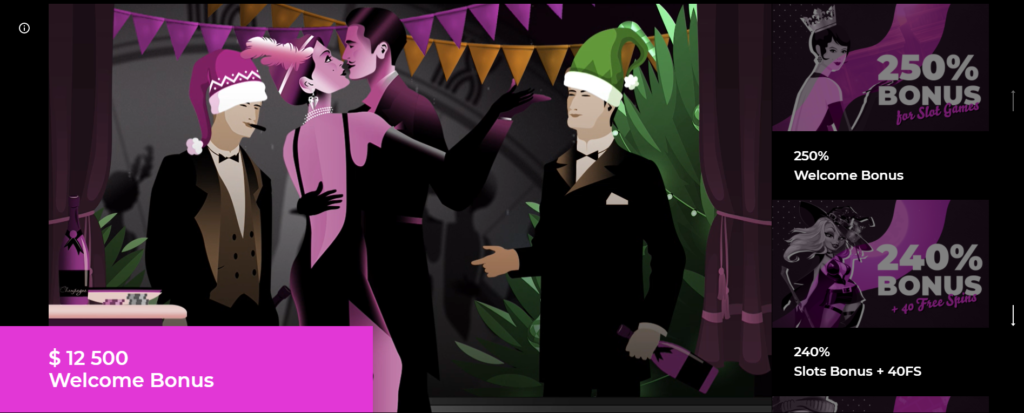
Promotions bring players coming back, so their presentation in the menu matters a lot. Rich Royal Casino Rich Royal Desktop Platforms grants ‘Promotions’ its own main menu spot, which is a strong signal. Inside, offers are laid out in tiles or cards. Each features a catchy image, a straightforward title, and important details like wagering requirements are clearly visible. The logic is all about openness and efficiency. An Australian can tell in seconds if an offer is a welcome pack, a weekly reload, or free spins. The ‘Claim’ button stays consistent every time and is easy to find. This approach cuts out the complication of claiming a bonus and establishes trust by presenting the rules out in the open.
Our Design Evaluation and Suggested Enhancements
After all that, my assessment is positive. Rich Royal Casino’s menu shows sophisticated thinking, prioritizes the user, and adjusts effectively for Australia and mobile play. The layout is solid, the game sorting is smart, and the essential flows are fluid. For enhancements, I’d suggest a dash more personalization. A ‘Recently Played’ shortcut that emerges in the main menu would be handy. More filters inside game categories—by theme or volatility, for instance—would benefit power users. A small badge on the menu to show you have an active bonus could be a helpful reminder to keep players involved. These would be polishing details on a design that’s already remarkable.
The menu logic at Rich Royal Casino illustrates what results when designers focus on the player. It handles a extensive catalog of games while ensuring navigation intuitive. For Australians, the local payment options and mobile-friendly approach make it a solid option. This is a control panel engineered for performance, not just to look flash. It proves that in online casinos, a great user experience is the real key advantage.